
FRESNO, Calif. (BTBR) – I can still remember when I first stepped into a newsroom. It was an accident.
I had no intention of ever becoming a journalist, it just kind of happened.
Even now, journalism doesn’t interest me that much, at least, gaining notoriety as a journalist doesn’t.
But the work can be extremely fulfilling.
Today, a single mother of three thanked me for writing a story about her and her three boys being displaced due to an apartment fire.
In writing the story, my ultimate goal was to bring awareness to her situation and GoFundMe.
It brings me an honest to God joy to do these stories, but not everyone sees the value in them.
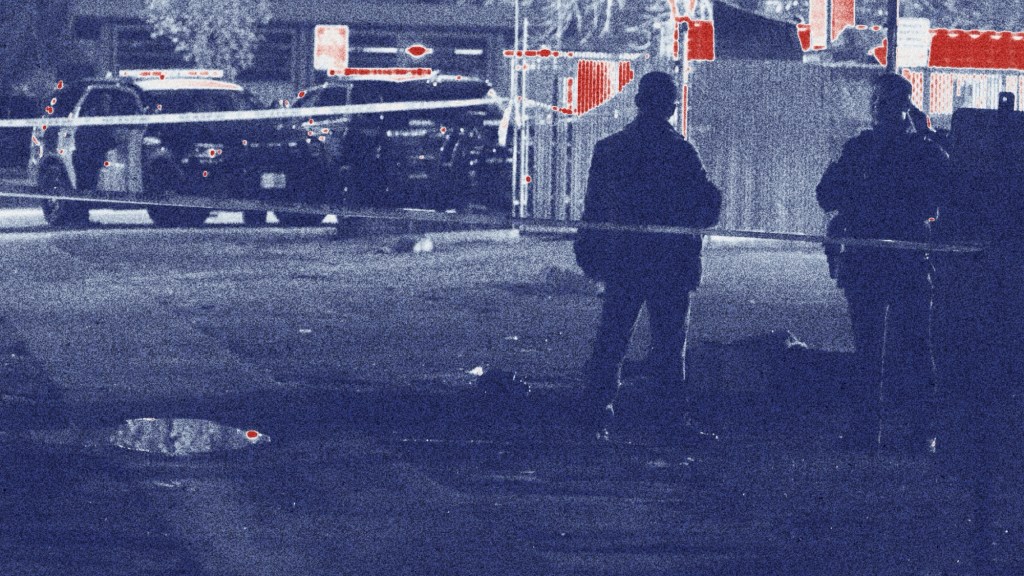
“If it bleeds, it leads,” is a phrase used to describe the high priority of a gruesome story in news. If it has anything to do with murder or death, chances are it’ll be the main story of a given newscast.
But why?
Why does the industry feed into this line of thinking?
The uncomfortable answer is because that’s what people like.
I’m about seven years removed from when I first stepped into a newsroom and quickly closed the door saying, “Sorry, wrong room.”
Now I’m a Digital Reporter for a TV news station. It’s not as luxurious as you’d imagine.
But a big part of my job is looking at what articles our audience is responding to.
It’s no secret my agenda is to push “big community” on everyone, but when it comes to my station’s audience and the majority of news audiences the sad truth is they like seeing death.
Or at least, death, murder, and negative news elicit a response from audiences that other stories don’t.
I remember a story about “an unborn fetus” that died in a car crash was the obsession of the day not too long ago.
Everyone in our audience decided we were cold and callous for using the term “fetus” instead of baby, even though that is the language CHP used in the press release we used to write the story.
Everyone took to our social media comments to tell us what horrible people we were and how insensitive our language was, but they kept engaging.
A story about a former high school track star that I wrote did insane numbers on the station’s website.
TMZ even picked up the story.
I remember thinking to myself when I found out about the track star’s passing, “This is going to be great.”
Can you imagine that?
Here a young woman is dead and I’m excited because I got the scoop of the century.
News does that to you.
How many of us don’t know someone who has stopped watching the news because it’s too negative.
Yet the “if it bleeds, it leads” line lives on.
But the model is failing and I’m glad it is.
For too long the news paradigm has benefited from the misfortune of the community it is meant to serve.
Too many journalists have been conditioned to look for the most salacious or negative part of a story as their hook.
Journalism is a public service before anything else.
Journalism is meant to entertain, educate, inform and inspire.
We can’t ignore the harsh realities of life and the world, but to report on every awful fire, car crash, murder, robbery, sexual assault or kidnapping in a given area is to lie to the audience.
Yes, horrible things happen everyday, but your local TV broadcast would let you believe that is all that happened in a given day.
Writing about death can be extremely helpful, with ongoing investigations, for people in mourning and families left behind who need help taking care of their loved one’s affairs.
It’s not the new’s job to make a spectacle of all the negative things that happen in the community, regardless of audience’s reaction.
At least that’s what I think.
I think the 20-year-old who accidentally walked into the newsroom would shutter at the thought of ever becoming a 28-year-old who didn’t use his platform to make a difference.
 BEHIND THE B-ROLL ONLINE
Leave a comment